
The Ultimate Homeowner's Guide to Understanding Residential HVAC Systems

At Zoltera Mechanical, we work with homeowners across the Okanagan who want the same thing: a comfortable home, reasonable energy bills, and an HVAC system they don't have to worry about. Residential HVAC systems are often misunderstood until something goes wrong. This guide breaks down the essentials of residential HVAC systems, helping you understand how they work, what options are available, and how to maintain them for lasting comfort and efficiency.
What Is a Residential HVAC System?
An HVAC system controls the temperature, humidity, and air quality inside your home. It includes three main components:
Heating: Usually a furnace or heat pump that warms your home during cold months.
Ventilation: Moves air in and out of your home to maintain fresh air and remove pollutants.
Air Conditioning: Cools your home during warm months using an air conditioner or heat pump.
Together, these parts create a comfortable indoor environment regardless of outdoor weather.
Home heating systems vary depending on climate, fuel availability, and home size. Common types include:
Furnaces: Use natural gas, propane, oil, or electricity to heat air, which is then distributed through ducts.
Heat Pumps: Transfer heat from outside air or the ground into your home. They can also reverse to cool your home.
Boilers: Heat water to provide warmth through radiators or underfloor heating.
For example, in colder regions, a gas furnace is popular for its strong heating power. In milder climates, heat pumps offer efficient heating and cooling in one unit.
Air conditioning systems remove heat and moisture from indoor air. The most common types are:
Central Air Conditioners: Use ducts to cool air throughout the house.
Ductless Mini-Splits: Provide cooling to specific rooms without ductwork.
Heat Pumps: As mentioned, they cool by reversing the heating process.
Choosing the right cooling system depends on your home's layout and insulation. For instance, ductless mini-splits work well in older homes without existing ducts.
Ventilation ensures fresh air circulates inside your home, reducing indoor pollutants and moisture buildup. There are two main types:
Natural Ventilation: Opening windows or vents to allow airflow.
Mechanical Ventilation: Fans and systems that actively move air in and out.
Modern homes are often tightly sealed for energy efficiency, making mechanical ventilation essential to maintain air quality.
Energy Efficient HVAC Systems
Energy-efficient HVAC systems save money and reduce environmental impact. Look for:
Energy Star Certified Equipment: Meets strict efficiency standards.
Programmable Thermostats: Adjust temperature settings automatically.
Proper Sizing: A system too large or small wastes energy and reduces comfort.
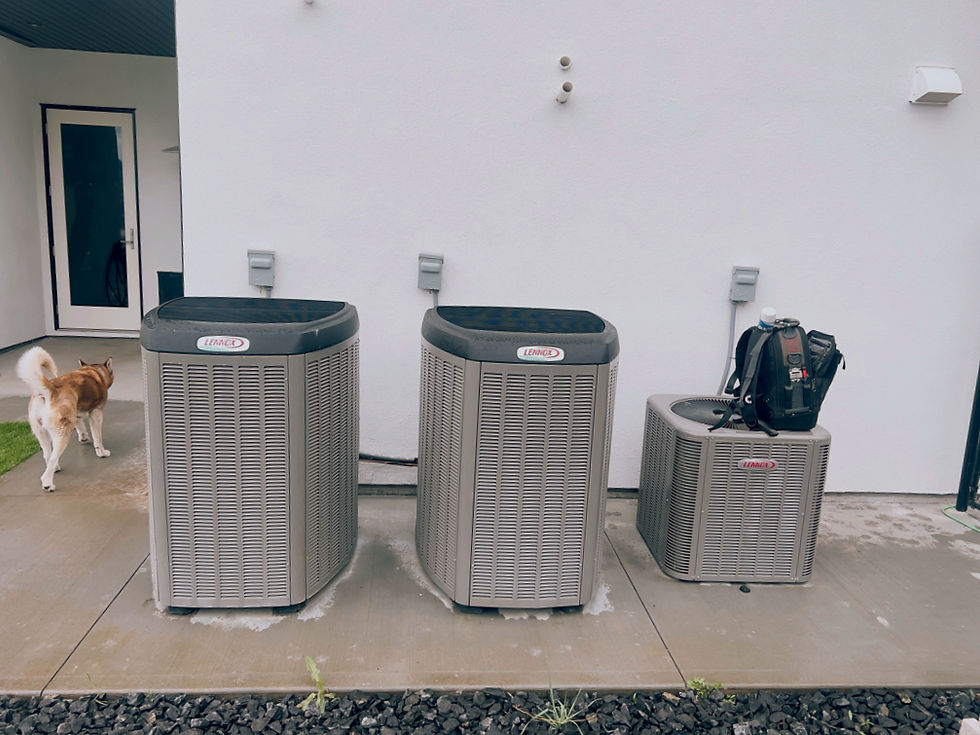
For example, Lennox XP25 Heat Pump paired with the smart thermostat, was awarded most efficient ENERGY STAR. This means up to $1,000 in savings.
Maintaining Your HVAC System
Regular maintenance keeps your system running smoothly and extends its lifespan. Key tasks include:
Changing or cleaning air filters every 1-3 months.
Scheduling annual professional inspections.
Clearing debris around outdoor units.
Checking and sealing ductwork leaks.
Ignoring maintenance can lead to higher energy bills and costly repairs.
Signs Your HVAC System Needs Repair or Replacement
Watch for these warning signs:
Uneven heating or cooling in different rooms.
Strange noises or odors from the system.
Rising energy bills without increased usage.
Frequent breakdowns or repairs.
If your system is over 10-15 years old and showing these signs, it may be time to consider replacement.
Choosing the Right HVAC System as a Homeowner
Factors to consider:
Climate: Cold climates may need strong heating; hot climates require efficient cooling.
Home Size and Layout: Larger homes may need multiple zones or ductless systems.
Budget: Balance upfront costs with long-term energy savings.
Professional Installation: Even the best equipment can perform poorly with incorrect installation.
Consulting a licensed HVAC professional can help you select the best system for your needs. Get honest guidance tailored to your home, not sales pressure.


Comments