
Gas Furnace or Heat Pump? Which is Best for Homes in Kelowna?

Choosing the right heating system for your home in Kelowna can be challenging. With cold winters and warm summers, homeowners need a solution that balances comfort, efficiency, and cost. Two popular options are gas furnaces and heat pumps. Each has its strengths and weaknesses, and understanding these can help you make the best choice for your home.

Gas Furnace: Strengths and Considerations
Gas furnaces burn natural gas to produce heat. They are a traditional choice in many Canadian homes and have several advantages:
Strong heating power: Gas furnaces provide quick, intense heat, which is ideal for very cold days.
Reliability: They work well even in extreme cold without losing efficiency.
Lower upfront cost: Installation of a gas furnace is often less expensive than a heat pump.
Long lifespan: With proper maintenance, gas furnaces can last 15 to 20 years.
However, there are some drawbacks:
Fuel cost volatility: Natural gas prices can fluctuate, affecting your heating bills.
Environmental impact: Burning gas produces greenhouse gases, which may concern eco-conscious homeowners.
No cooling function: You will need a separate air conditioning system for summer comfort.
Heat Pump: What Makes It a Good Option for Kelowna?
Heat pumps work by transferring heat rather than generating it through combustion. They can both heat and cool your home, making them versatile for Kelowna’s climate.
Energy efficiency: Heat pumps use electricity to move heat, often using less energy than gas furnaces.
Year-round use: They provide heating in winter and cooling in summer, reducing the need for separate systems.
Lower carbon footprint: Heat pumps produce fewer emissions, especially when paired with renewable electricity.
Rebates and incentives: Many local programs encourage heat pump installation with financial support.
Despite these benefits, heat pumps have some limitations:
Reduced efficiency in extreme cold: Traditional heat pumps lose efficiency below -15°C (5°F), which can happen in Kelowna winters.
Higher upfront cost: Installation and equipment costs are generally higher than gas furnaces.
Possible need for backup heat: Some homes require an additional heating source during the coldest days.
Which System Is Best for Your Home?
Gas Furnaces Often Make Sense When:
Homes are already set up for gas
Heating demand is high
Homeowners prefer traditional heating
Electrical capacity is limited
Heat Pumps Often Make Sense When:
Homes are well insulated
Energy efficiency is a priority
Cooling is also needed
Homeowners want a single all-in-one system
Practical Examples for Kelowna Homeowners
Older homes with existing gas lines: A gas furnace might be more cost-effective to install and maintain.
New builds or renovations: Heat pumps offer flexibility and energy savings, especially when combined with good insulation.
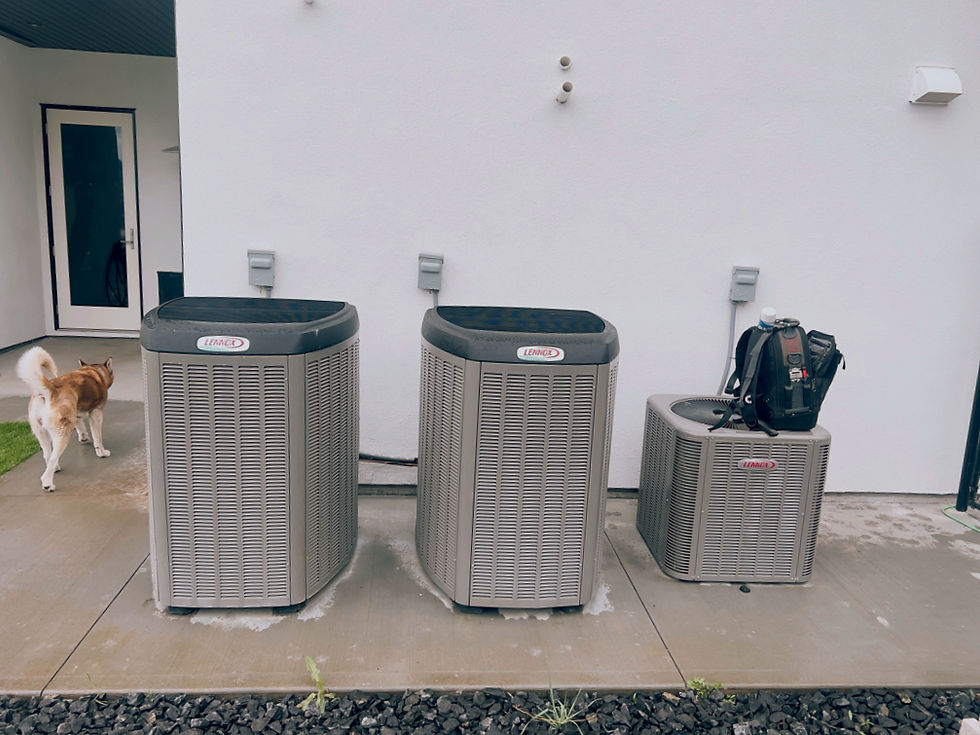
Homes with space constraints: Heat pumps require outdoor units but no fuel storage, which can save space.
Eco-conscious homeowners: Heat pumps align better with green living goals and local incentives.
Installation and Maintenance Tips
Choose a licensed professional familiar with Kelowna’s climate.
For heat pumps, ensure proper sizing to handle cold snaps.
Regularly clean and inspect filters and vents for both systems.
Consider smart thermostats to improve efficiency and comfort.
How Zoltera Mechanical Helps Homeowners Choose
Out role isn't to push options, it is to help homeowners understand:
How their home actually performs
What each system would cost to operate
What makes sense long-term
That clarity leads to better comfort and fewer regrets. The right system ultimately depends on your home, not sales pressure or trends.
Get guidance based on your home's needs, not assumptions.


Comments